The Gyejoksan Red Clay Trail (계족산 황톳길) in Daejeon is a hidden gem tucked inside central South Korea. While most international travelers stick to Seoul, Busan, or Jeju, this spot offers an authentic wellness experience that most foreign tourists miss.
Imagine walking 14.5 kilometers along a shaded mountain path, your bare feet sinking into cool, silky red clay while breathing crisp pine forest air.
Here is everything you need to know about experiencing this world-famous barefoot trail, including my personal transformation after walking it and practical travel tips for foreigners.
What Makes Gyejoksan Red Clay Trail Special?
Location in Daejeon-just an hour south of Seoul by KTX bullet train-Gyejoksan Mountain features a meticulously maintained 14.5 km walking course. Alongside the regular gravel path runs a dedicated stip filled with moist, fine-grained Hwangto (황토), Korea’s mineral-rich red clay.
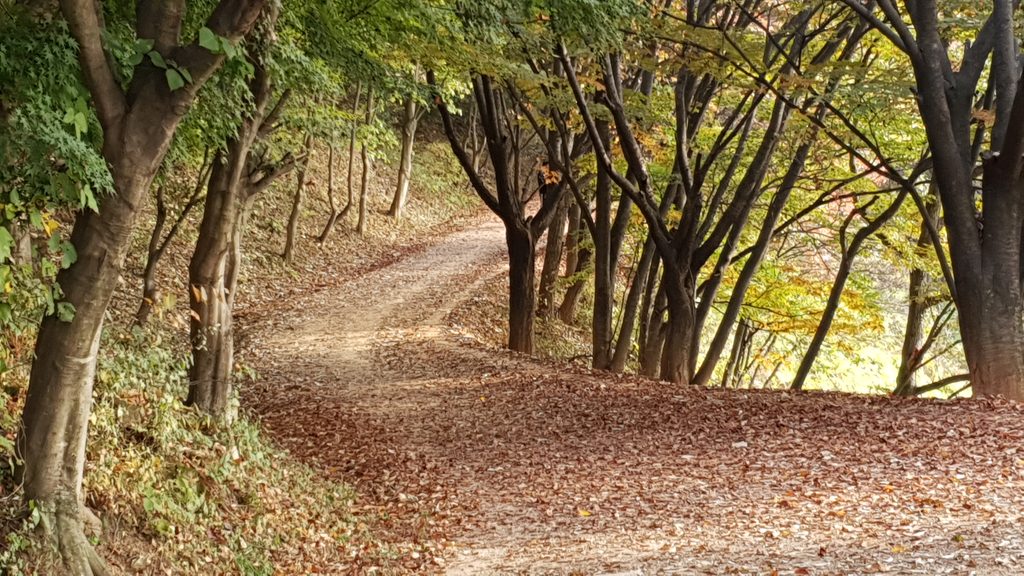
Red clay has been revered in traditional Korean wellness for centuries. It is naturally rich in minerals, emits far-infrared rays, and stays delightfully cool even in the heat of summer.
The best part? You do not need any special gear. You simply slip off your sneakers, tie them to your backpack (or carry them), and let the earth greet your sloes.
My Personal Experience: The Healing Power of Barefoot Hiking
Before trying this trail, I was naturally skeptical about the recent global buzz around “earthing” (grounding). But after spending several hours walking directly on Gyejoksan’s damp, squishy red clay, the results were unmistakable.
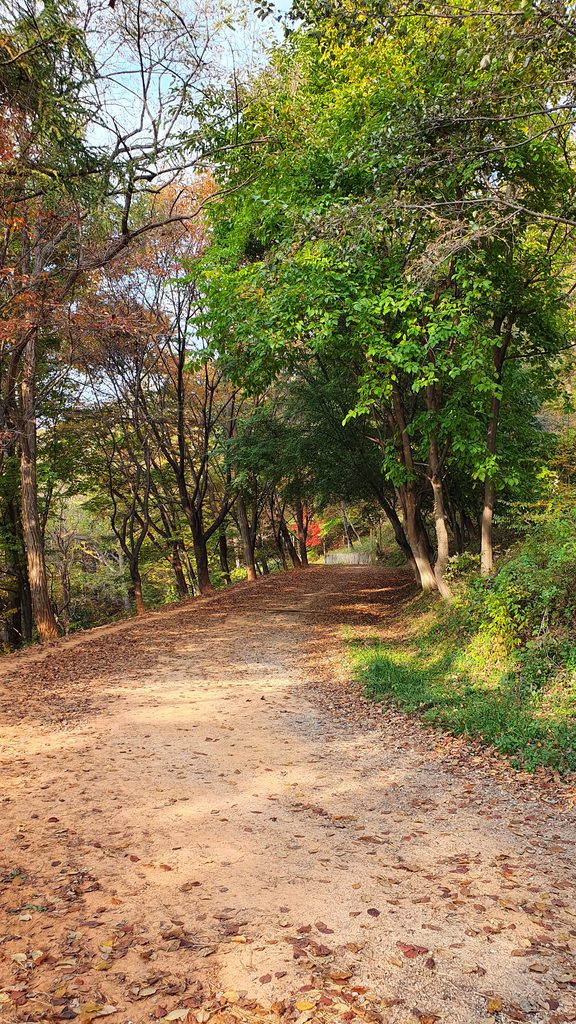
1. Instant Cooling & Mental Refreshment
The initial touch of the cold, soft mud beneath your feet shocks your senses in the best possible way. Every muscle in your feet, usually cramped inside stiff shoes, wakes up. Within twenty minutes, the mental fatigue from city life completely melted away.
2. Noticeable Reduction in Body Inflammation
For days prior, my calves and lower back felt tight and inflamed from prolonged sitting and walking on concrete. Walking barefoot on natural ground acts as a dynamic reflexology session. By the time I finished, the heavy, swollen sensation in my legs had disappeared, replaced by light, relaxed muscles.
3. A Dramatic Relief from Athlete’s Foot
One unexpected benefit was the change in my skin health. I had struggled with persistent, itchy athlete’s foot for months. Hwangto red clay is well-known in Korea for its natural antibacterial, moisture-balancing, and purifying properties. Walking in the fresh, mineral-rich mud helped dry out the fungal irritation and soothe the itching. Within a couple of days post-hike, the stubborn patches cleared up significantly.
Essential Tips for First-Time Visitors
- Foot Washing Stations: You do not have to worry about muddy feet on the way home. The trail provides clean, free running-water foot washing stations with brushes and air blowers at major access points.
- Bring a Small Hand Towel: While air blowers are available, packing a small quick-dry towel in your daypack makes drying off much quicker.
- Footwear Management: Bring a lightweight tote bag or a carabiner clip to hang your shoes outside your backpack while walking.
- Trail Difficulty: The path is exceptionally flat and gentle. It is suitable for all fitness levels, including complete hiking beginners and families.
How to Get to Gyejoksan from Seoul
Getting to Daejeon is straightforward
- Take the KTX or SRT: From Seoul Station or Suseo Station, board a high-speed train to Daejeon Station (approx. 50-60 minutes)
- Local Transit / Taxi
- Taxi (Recommended): The easiest route is taking a taxi directly from Daejeon Station to Jangdong Forest Park (장동산림욕장). It takes about 20-25 minutes and costs approximately 15,000-18000 KRW. Simply show the driver: 계족산 황톳길(장동산림욕장)로 가주세요
- City Bus: From the station, take local Bus No. 74 towards Jangdong Forest Park (takes roughly 45-55 minutes)
Plan Your Visit
- Location: Jangdong Forest Pakr, Daedeok-gu, Daejeon (대전광역시 대덕구 장동산림욕장)
- Best Season: Late Spring through Autumn (May to October). The clay is kept moist and soft during these months. Late September and October is the best.
- Admission: Completely Free.
If your Korea itinerary needs a break from crowded subway cars and shopping malls, take a day trip to Daejeon. Strip off your socks, step onto the cool red clay of Gyejoksan, and let nature hit the reset button on your body.
For more information about Gyejoksan Red Clay Trail, Please refer to https://korean.visitkorea.or.kr/detail/ms_detail.do?cotid=13941295-50d3-4e80-ae10-31a1975c307e
For more information about Daejeon food, Please refer to https://hiddenspotkorea.com/daejeon-food-guide-4-local-places/