Daejeon Food is good. When people plan a trip to Korea, Seoul, Busan, and Jeju are usually at the top of the list. But there is another city that deserves a place on a food lover’s itinerary: Daejeon.
Daejeon is in central South Korea and is known for its relaxed atmosphere, but what surprised me most was how much the city has to offer when it comes to food.
In fact, Daejeon is particularly famous for kalguksu (Korean knife-cut noodle soup) and dubu duruchigi (spicy stir-fried tofu). The city also has a strong bakery culture, with Sungsimdang being the name most visitors know. The Daejeon Metropolitan Government currently lists kalguksu, dubu duruchigim and Daejeon bread among the city’s representative foods.
During my time in Daejeon, I wanted to try more than just the famous bakery. I wanted to taste the kinds of dishes that make the city special.
So here are four places I would put on a Daejeon food itinerary: three restaurants for traditional Korean food, followed by the bakery that has become almost synonymous with Daejeon.
1. Gwangcheon Sikdang – Spicy Tofu Duruchigi
Gwangcheon Sikdang (광천식당) is a good place to start if you want to try one of Daejeon’s most recognizable local dishes: dubu duruchigi.
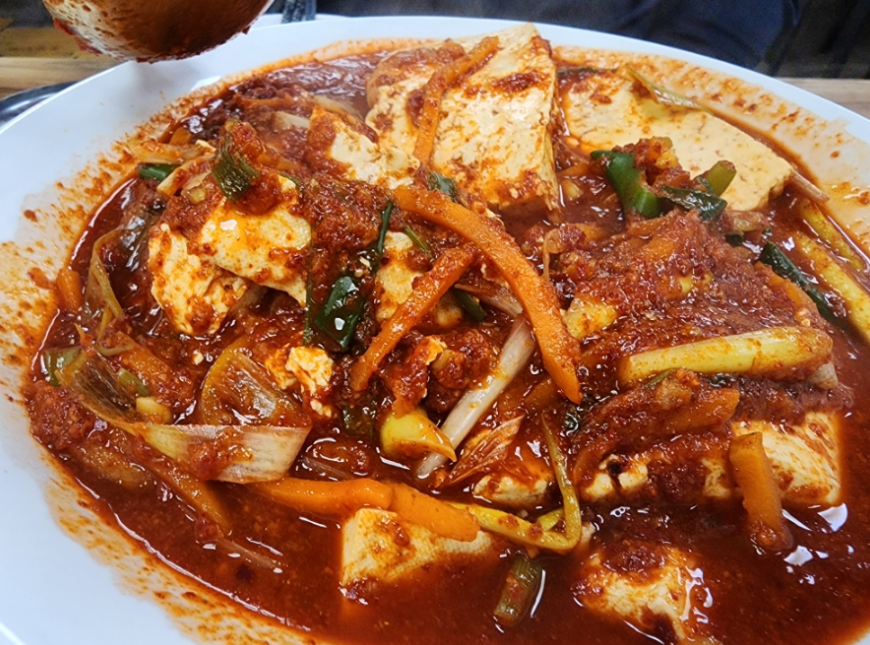
At first glance, it may look simple. Soft pieces of tofu are covered in a thick, red sauce with plenty of chili seasoning and other ingredients. But this is not the mild tofu dish you might expect from Korean food.
The flavor is bold, spicy, and savory, and the sauce is the main character of the dish. This is the kind of Korean food that is meant to be eaten with rice, and I found myself understanding why dubu duruchigi is so closely associated with Daejeon.
Gwangcheon sikdang is located in Seonhwa-dong in Jung-gu, one of the areas where you can find several old-style local restaurants. The restaurant is currently listed by Daejeon City among places representing the city’s dubu duruchigi.
What is dubu duruchigi?
For visitors who have never heard of it, I would describe dubu duruchigi as spicy stir-fried tofu. Unlike soft tofu stew, the tofu is not floating in a soup. Instead, it is coated with a concentrated spicy sauce.
And If you are sensitive to spicy food, this is definitely a dish to approach carefully.
What to order:
Dubu duruchigi + rice(or noodle: myeon sari)
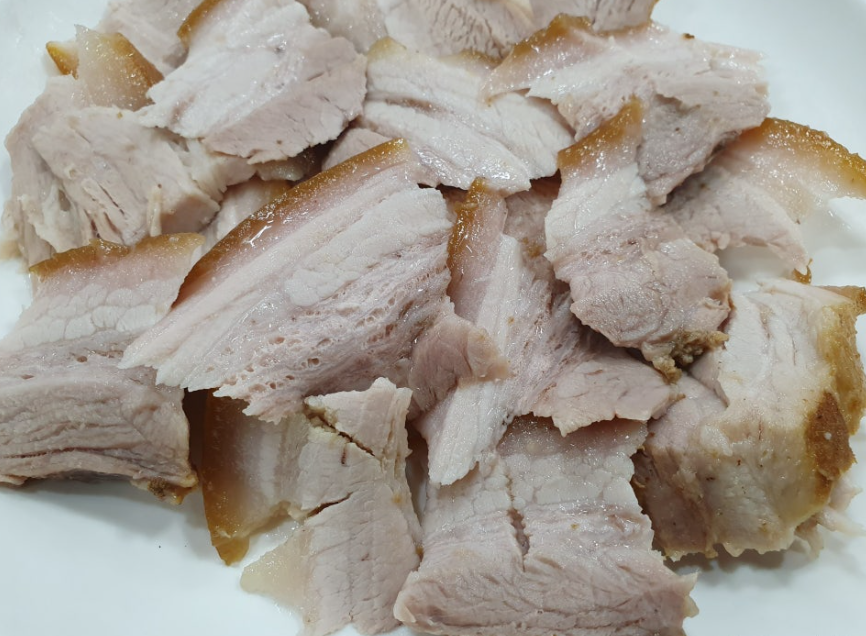
Suyuk(boiled pork) is another popular choice if you are sharing a meal.
Good to know
This is a very Korean-style dish, rather than a typical tourist-friendly Korean menu item. That’s exactly why I think it is worth trying.
2. Daeseon Kalguksu – A taste of Daejeon’s Noodle culture
If there is one dish you should look for when exploring Daejeon food, it is probably kalguksu. Kalguksu literally means “knife-cut noodles.” The name comes from the traditional way the noodles are cut rather than from the ingredients in the soup.
Daejeon is particularly associated with kalguksu, and the Korea Tourism Organization notes that the city has more than 700 kalguksu restaurants. Many of them have been serving the dish for decades.

One place I visited was Daeseon Kalguksu (대선칼국수)
The restaurant was originally established in 1954 near Daejeon Station and later moved to its current location in Dunsan-dong. It is now operated by the third generation of the founding family.
What I liked about the dish was that it did not try to be complicated. The noodles come in a warm broth with ingredients such as clams, and the soup is topped with crown daisy, perilla seed powder, and seaweed. The combination gives the broth a savory and slightly nutty character.
This is also a good example of why Korean food can be difficult to understand from photographs alone. A bowl of kalguksu may look very simple, but the appeal is in the broth, noodles, toppings, and the way everything comes together.
What is kalguksu?
Kalguksu is a traditional Korean noodle soup made with hand-cut noodles. It is very different from instant noodles or the more familiar Korean spicy noodles. The broth can very greatly depending on the restaurant, and Daejeon has developed a particularly strong local culture around the dish.
What to order:
Kalguksu
Bibim guksu if you prefer something spicy and mixed rather than soupy
Suyuk if you are sharing
My tip:
Don’t think of kalguksu as just “noodle soup.” In daejeon, it is much more of a local food tradition.
3. Seonhwa-dong Beef Head Soup – And the Famous Silbi Kimchi
This was probably the most interesting combination for me because the kimchi can almost become the main dish. The restaurant is known for so meori haejangguk, a Korean beef head soup, but many people come specifically to experience Silbi Kimchi (실비김치).
The soup itself is comforting and hearty, with tender pieces of beef head meat in a hot broth.
Then comes the kimchi.
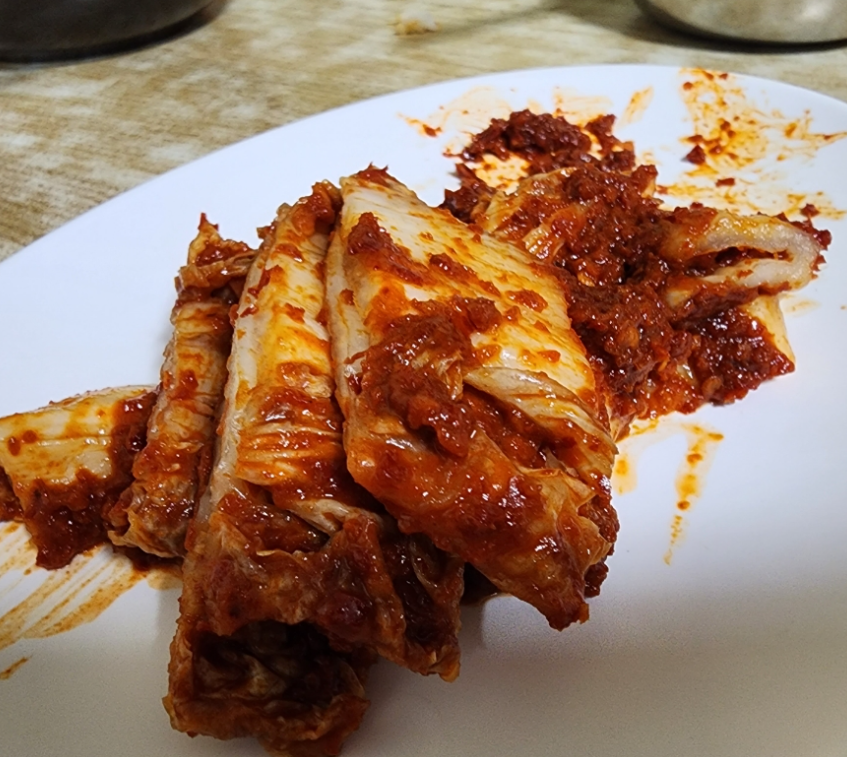
Silbi Kimchi is known for its intensely spicy seasoning. Rather than being a mild side dish that simply accompanies the meal, it has a strong flavor of its own.
For someone unfamiliar with Korean food, this is actually a fun example of how important side dishes can be in Korean dining.
You can eat the soup on its own, but adding a small amount of the spicy kimchi completely changes the experience.
And yes, I would recommend starting with a small amount.
Very small.
The restaurant islocated in Seonhwa-dong, Jung-gu, Daejeon, and current restaurant listings identify beef soup and Silbi Kimchi as its signature combination.
What is Silbi Kimchi?
If you’ve never heard of it, think of Silbi Kimchi as a particularly spicy style of Korean Kimchi.
Kimchi itself is not always extremely spicy. In Korea, there are countless varieties and levels of seasoning. Silbi Kimchi is different because the spicy chili seasoning is much more noticeable.
For me, this was one of those foods that I became curious about because it was so different from the kimchi usually served in Korean restaurants outside Korea.
What to order:
So meori gukbap(beef head soup)
Silbi Kimchi
My tip:
Don’t eat a large piece of the kimchi immediately. Try a tiny amount with the soup first, especially if you don’t normally eat very spicy food.
4. Sungsimdang – The Bakery That Put Daejeon on the Food Map
After three savory meals, it was time for dessert. And in Daejeon, there is one name that is almost impossible to avoid: Sungsimdang (성심당)
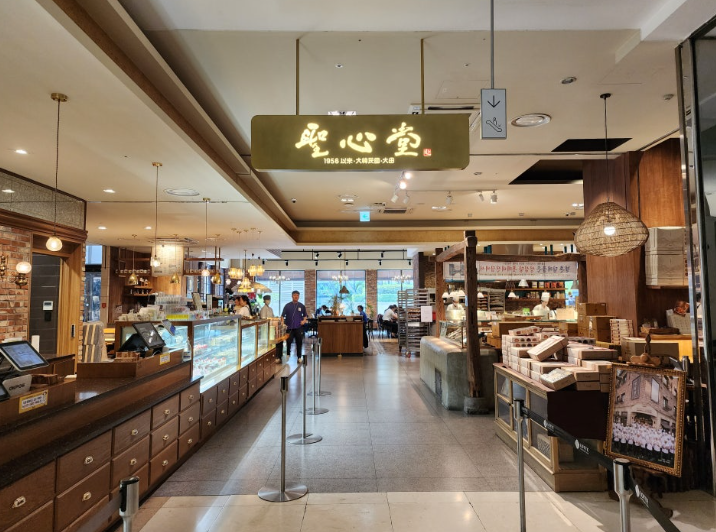
Sungsimdang started in 1956 as a small steamed-bun shop in front of Daejeon Station. Today, it has become one of the city’s most famous landmarks and is widely associated with Daejeon’s bakery culture.
What makes Sungsimdang interesting is that it is not simply a famous bakery selling a few signature products. There are hundreds of baked goods to choose from, so walking inside can feel more like visiting a food attraction than making a quick bakery stop.
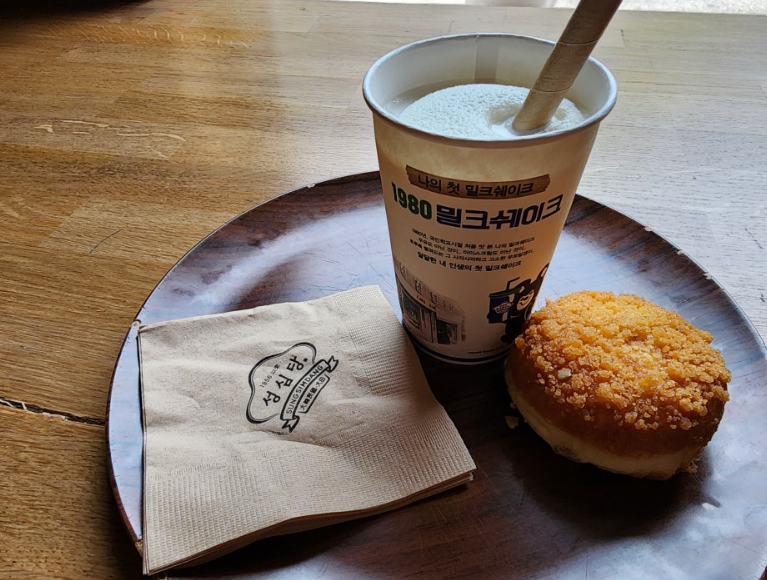
Two of the most famous items are:
Twigim Soboro
This is Sungsimdang’s iconic deep-fried soboro bun. “Soboro” is a type of crumb topping commonly found on Korean bread. In this case, the bread is deep-fried and filled with sweet red bean paste. The contrast between the crispy outside and sweet filling makes it very different from a typical Western pastry.
Pantalong Chive Bread
Another signature item is the chive bread, made with Korean chives along with ingredients such as egg and ham. It is savory rather than dessert-like, which makes it a nice choice when you want a break from sweet pastries. What I liked about visiting Sungsimdang was that it felt connected to the city itself.
It’s not just a bakery that happens to be in Daejeon. Its history is closely tied to Daejeon, and the bakery has become part of the city’s identity. The main branch is located in Jung-gu, near the original central area of Daejeon.
What to Eat in Daejeon: My Takeaway
Before visiting Daejeon, I mainly associated the city with Sungsimdang. After trying these foods, I realized that the bakery is really just one part of the city’s food culture.
Dubu duruchigi shows the bold, spicy side of Daejeon food.
Kalguksu shows the city’s long relationship with simple but satisfying noodle dishes.
Beef head soup with Silbi Kimchi introduces a more intense Korean flavor that many foreign visitors may not encounter at typical tourist restaurants.
And then there is Sungsimdang, which brings the meal to a very different kind of ending. That combination is what makes a food trip to Daejeon interesting.
You don’t have to spend your entire trip visiting famous tourist attractions. Sometimes, sitting down at a small local restaurant and trying a dish you’ve never heard of tells you more about a city.
And for anyone wondering what to eat in Daejeon, these are four places I would keep in mind.
For more information about things to do in Daejeon, Please refer to https://hiddenspotkorea.com/gyejoksan-red-clay-trail-walking-barefoot/
For more information about Daejeon restaurant, Please refer to https://www.daejeon.go.kr/fod