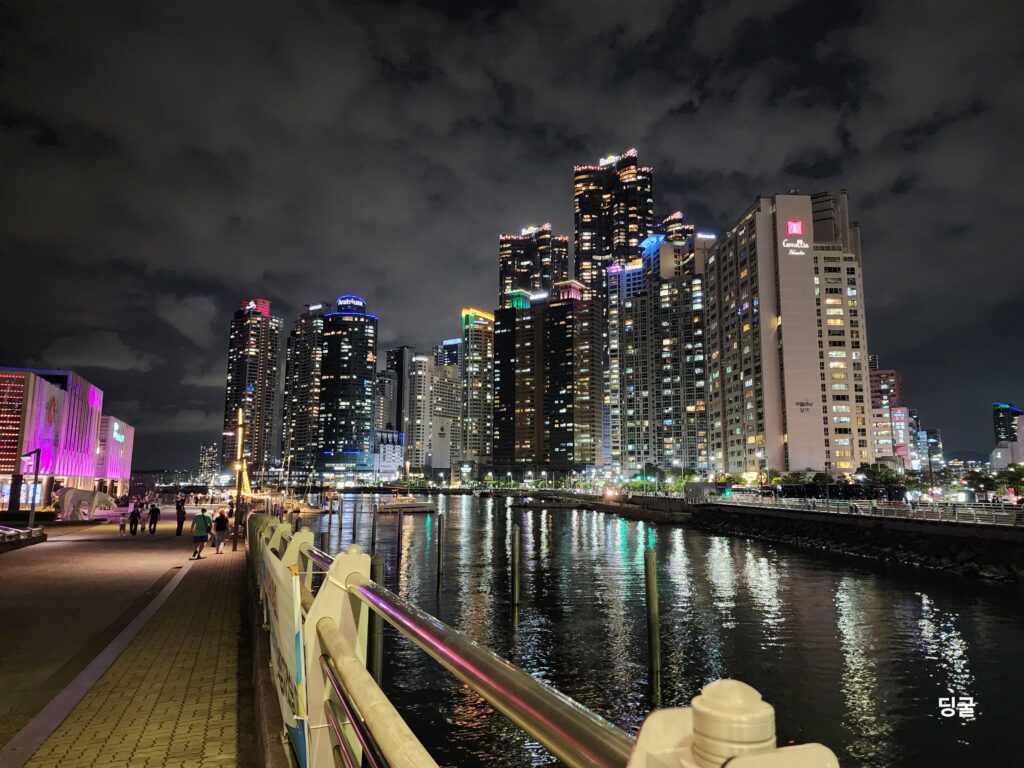
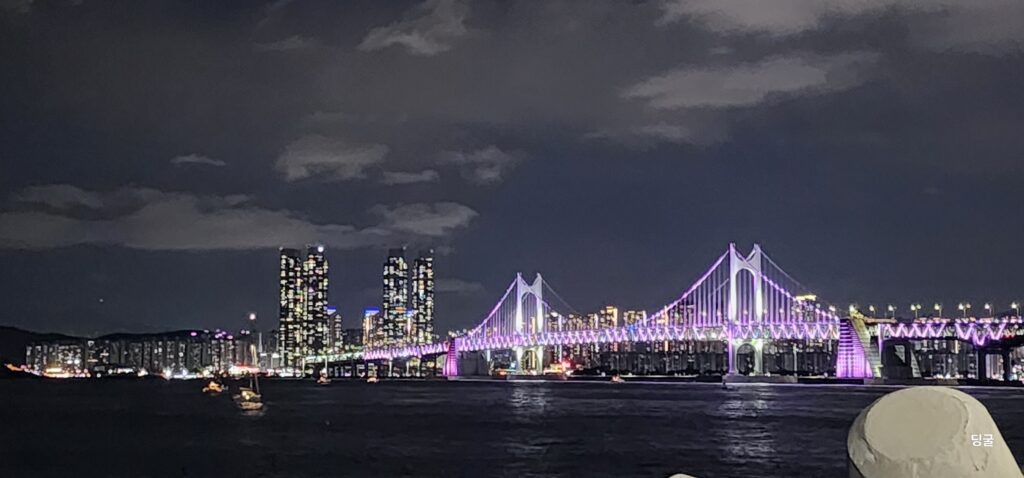
Most people picture Busan as a beach city — sand, skyscrapers, maybe a port or two. That’s not wrong, but it’s only a slice of the picture. This city holds a lot more contradiction than its postcard image lets on. Start before sunrise at a mountain temple that’s been standing since the Silla dynasty, spend the afternoon in a market that grew out of postwar poverty, and end the night on a beach lit up like something out of a sci-fi film — and you start to understand why people describe Busan as a city with layers.
Here’s how that day actually plays out, step by step.
Morning: Beomeosa Temple, at the Foot of Geumjeongsan
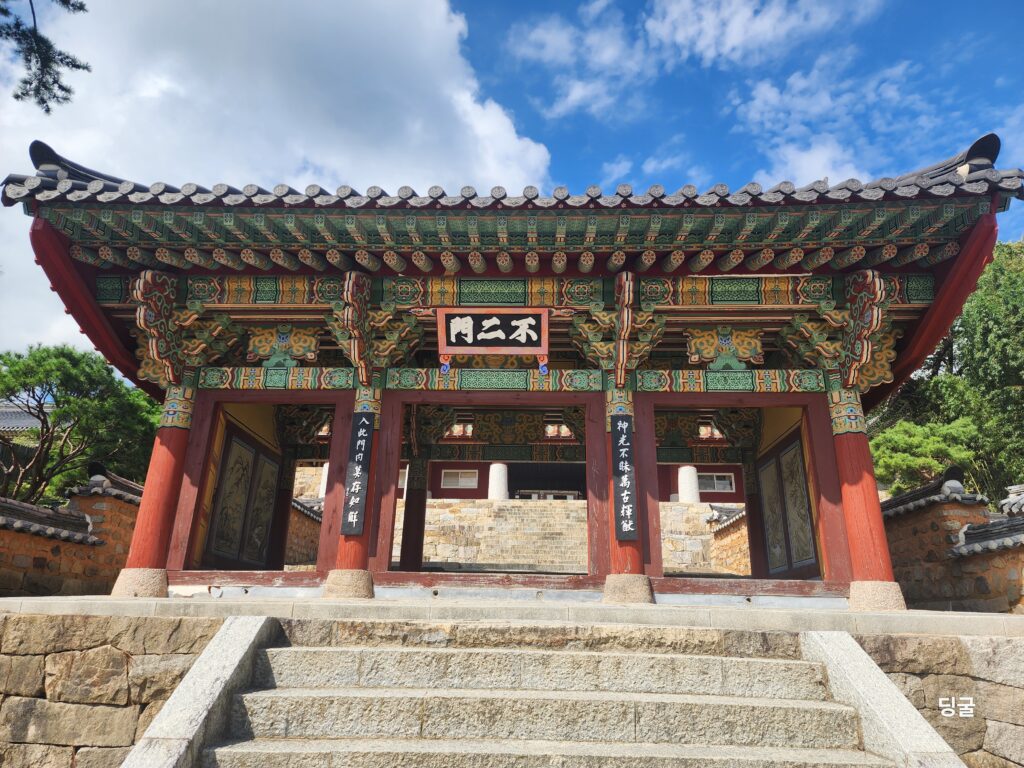
There’s no better way to start the day. Founded in 678 AD, Beomeosa sits far enough from the city that the noise simply doesn’t reach it. Timing matters here — arrive early and you get the temple mostly to yourself, monks’ chanting mixing with the wind moving through the surrounding bamboo groves. Show up at noon and it’s a different, much more crowded place.
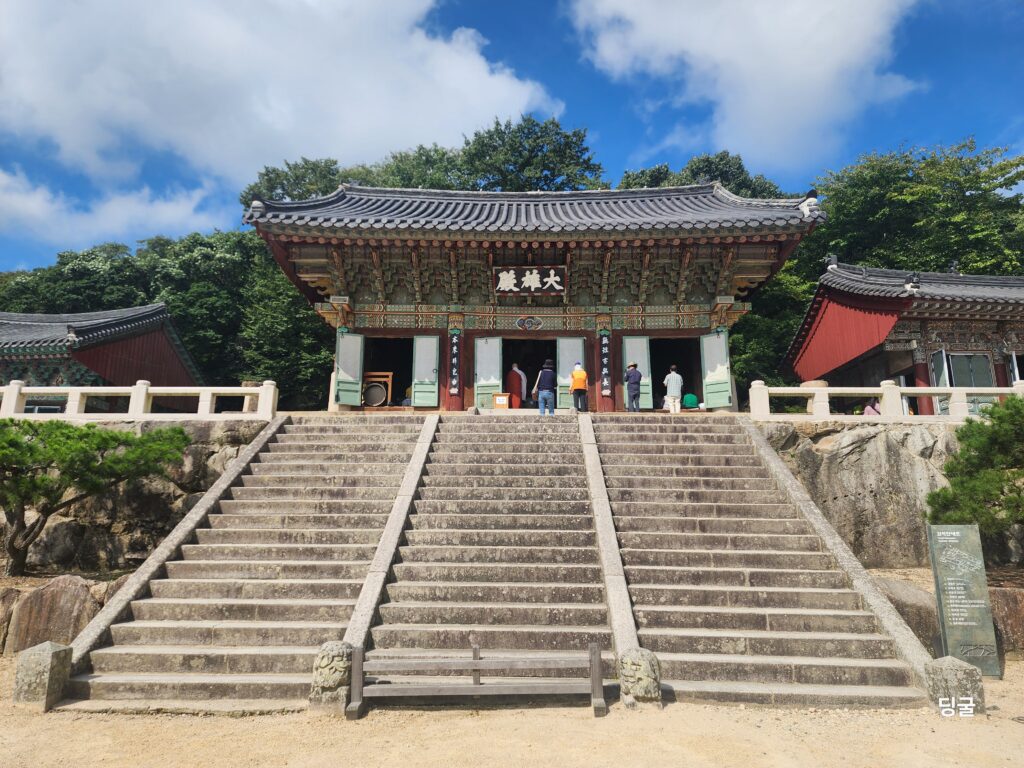
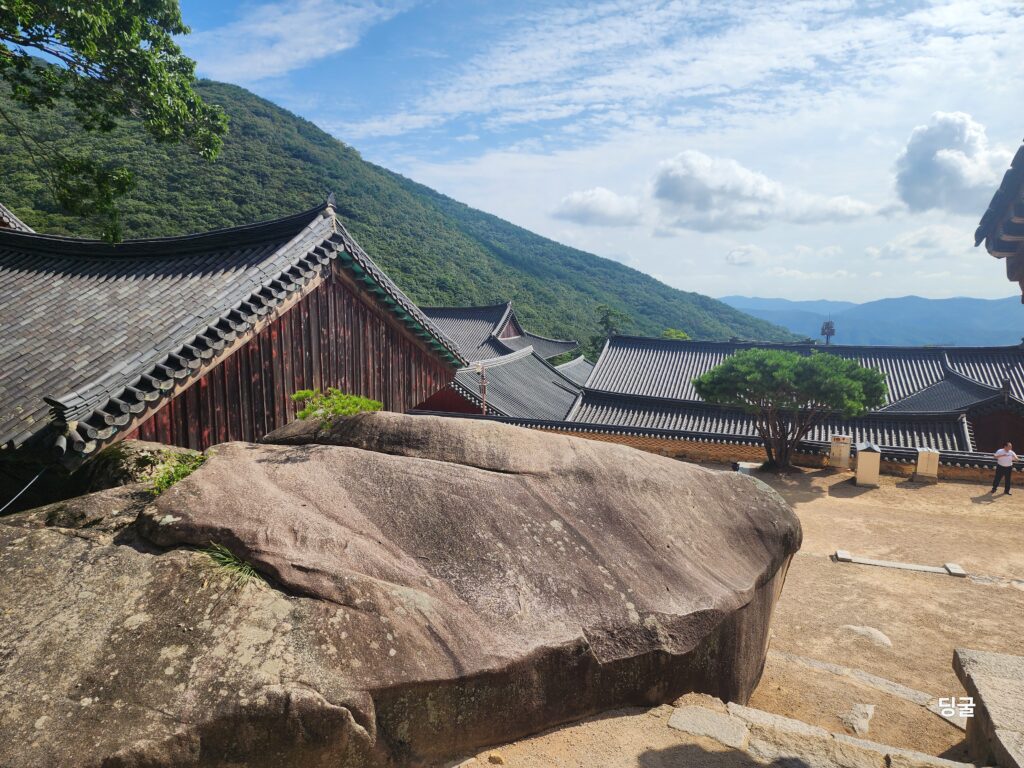
If you time your visit right and arrive by 10:30 AM, you can witness the traditional Korean Buddhist chanting service (Yebul) inside the main hall. Listening to the rhythmic Moktak (wooden drum) and the monks’ harmonious voices is a deeply moving cultural experience you shouldn’t miss.
Worth pausing at: the Iljumun Gate, a single-pillar structure that marks the line between the ordinary world and the spiritual one. Stand under it for a second and the shift in atmosphere is almost physical. The wooden halls beyond it have survived centuries of upheaval, and it shows in the details if you look closely.
Getting there: Take Subway Line 1 to Beomeosa Station, exit 5 or 7, then catch local Bus No. 90 nearby. About 15 minutes and it drops you right at the entrance.
If you have a little extra time, the quiet path through the wisteria grove near the entrance is worth the detour — it’s a good last breath of mountain air before diving into the city below.
Midday: Bupyeong Kkangtong Market and the Taste of Postwar Busan
From the temple, it’s about 45 minutes on Line 1 down to Jagalchi or Toseong Station — enough time to rest your legs before things get loud again.
The market’s name is a story in itself. “Kkangtong” means “tin can,” a reference to the Korean War era, when refugees here traded smuggled US military canned goods just to get by. That history isn’t just trivia — it’s baked into what people eat here. Skip the dishes you can find in any city and go for bibim dangmyeon, spicy glass noodles that started as food born out of wartime scarcity, or ssiat hotteok, a chewy pancake stuffed with brown sugar, cinnamon, and sunflower seeds. Most dishes run about 4,000 to 6,000 KRW.
Don’t overthink it — grab a plastic stool in the middle of the alley and eat standing shoulder to shoulder with locals. That’s the market working as intended. Bring cash, ideally a few 1,000 KRW notes, since most stalls don’t take cards.
Evening: Haeundae Beach After Dark
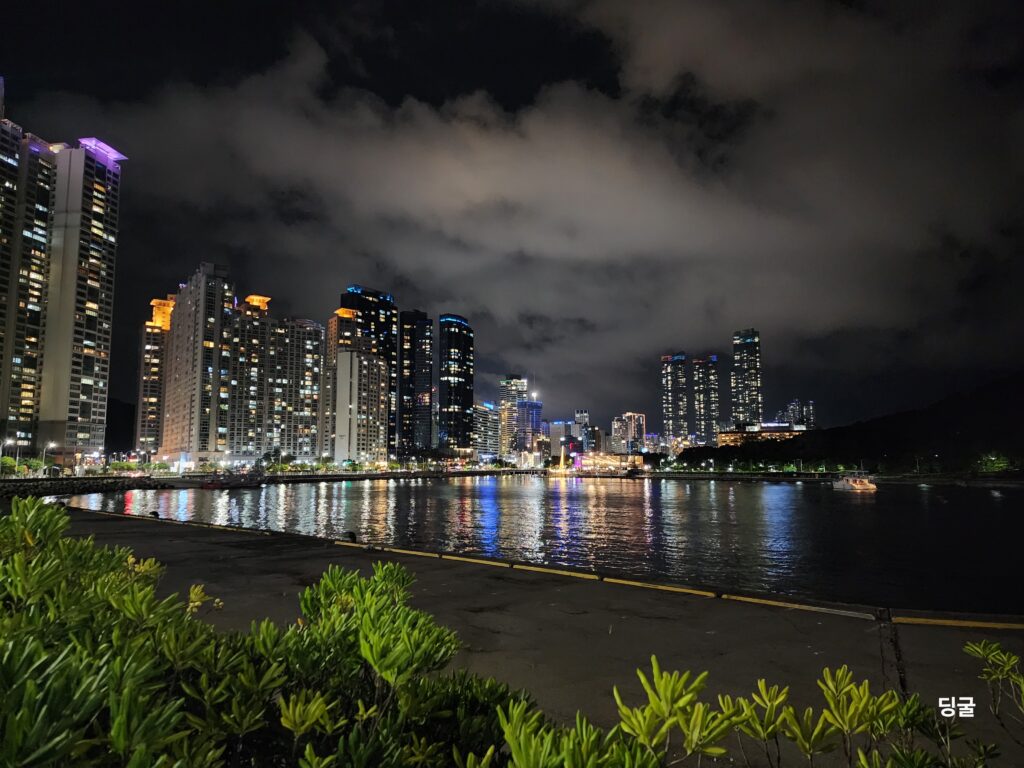
By evening, head across the city to Haeundae. It’s a different beach at night than it is during the day — the skyline, including LCT, one of Korea’s tallest towers, throws neon light across the water, and the whole coastline takes on a strange, almost futuristic glow that feels miles away from the temple you stood in that morning.
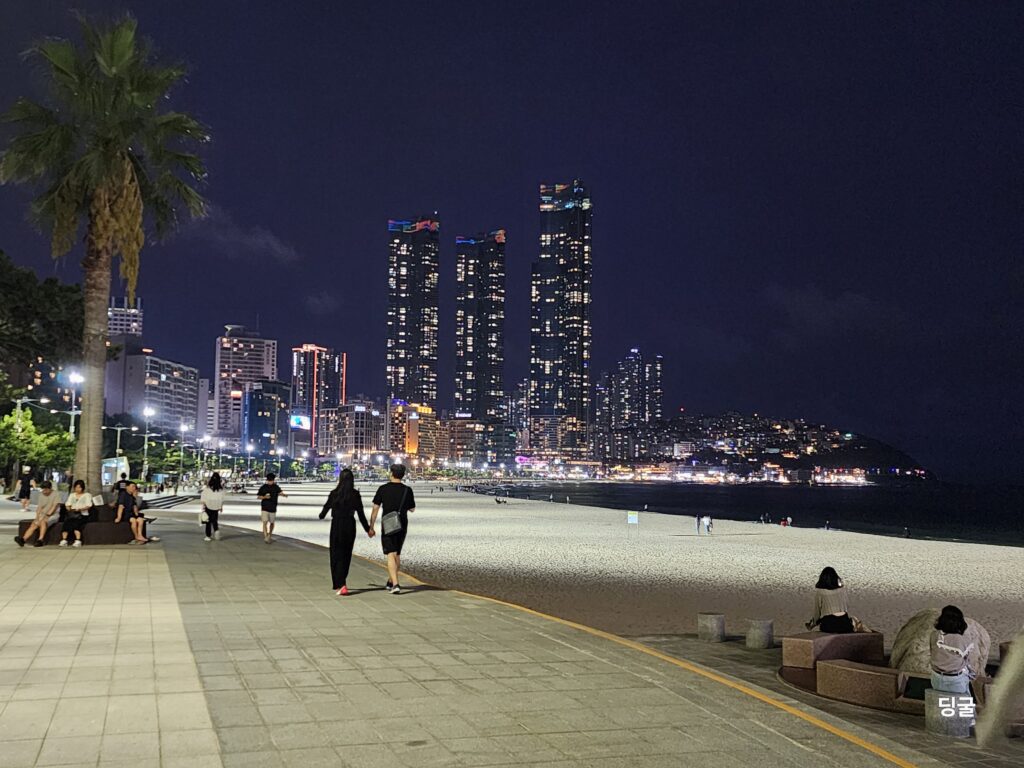
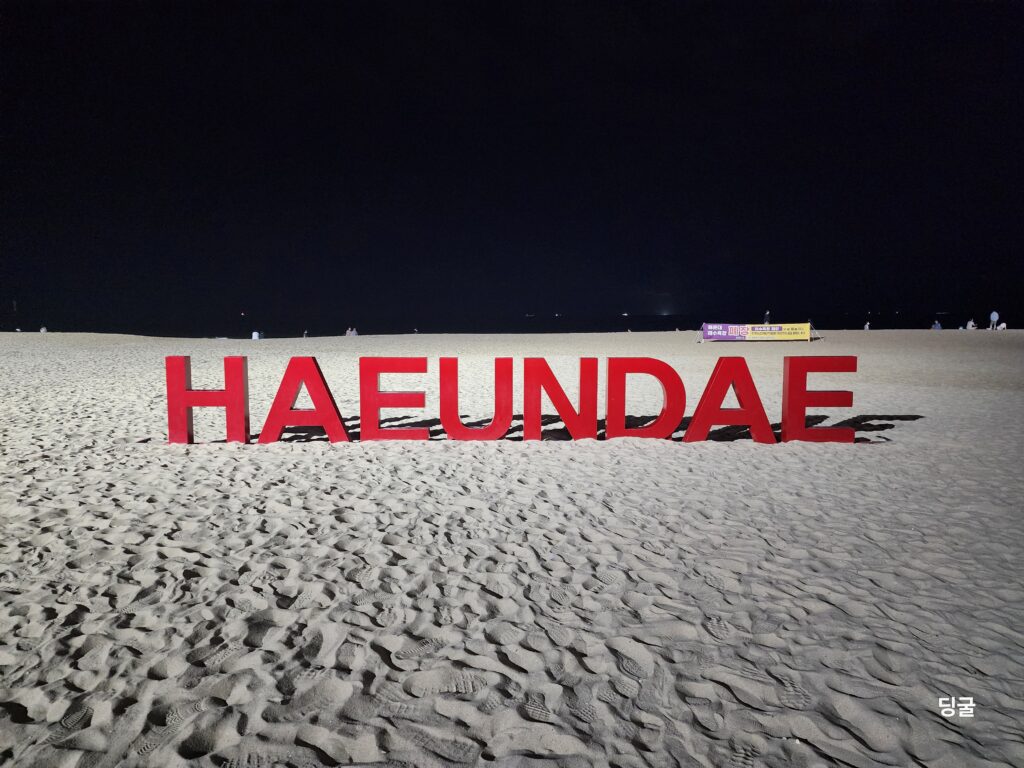
Walk the boardwalk, watch the street performers, and if you want a more local night out, the pojangmacha tent bars nearby serve fresh seafood with soju until late.
Getting there: From the market, walk to Nampo Station on Line 1, transfer at Seomyeon to Line 2, and get off at Haeundae. By taxi, expect 35–40 minutes depending on traffic.
If the main beach feels too packed, cut back toward Haeridan-gil, the neighborhood just behind the old Haeundae train station. Renovated hanok now house small coffee shops and vinyl bars — a quieter, slower corner just a few blocks from all that glass and light.
The Route, at a Glance
Morning: Beomeosa Station → Bus 90 → Beomeosa Temple
Midday: Beomeosa → Subway Line 1 → Jagalchi Station (Kkangtong Market)
Evening: Nampo Station (Line 1) → transfer at Seomyeon → Haeundae Station (Line 2)
Closing Thought
Busan isn’t just a beach town, and it isn’t just a historic one either. It’s a city where a centuries-old temple, a market built on wartime survival, and a beach that looks pulled from the future all exist within a single afternoon’s travel of each other. Trace this route once and you stop seeing Busan as a place you visited — it starts feeling like a place you actually walked through, layer by layer.