Which Seoul Palace To Visit? Can’t decide between Gyeongbokgung, Changdeokgung, and Deoksugung? Compare crowds, photo spots, and hidden highlights to pick the right Seoul palace for your trip.
Seoul is home to the Five Grand Palaces of the Joseon Dynasty, but fitting all five into a tight 4-day or 5-day itinerary often leads to serious palace fatigue.
While they share classic wooden architecture and colorful dancheong eaves, each site offers a completely distinct atmosphere, crowd dynamic, and access rute. Here is how to pick the right palace based on your travel style, schedule, and photography goals-along with exact subway directions for each stop.
Quick Comparison: Seoul’s Top 4 Palaces at a Glance
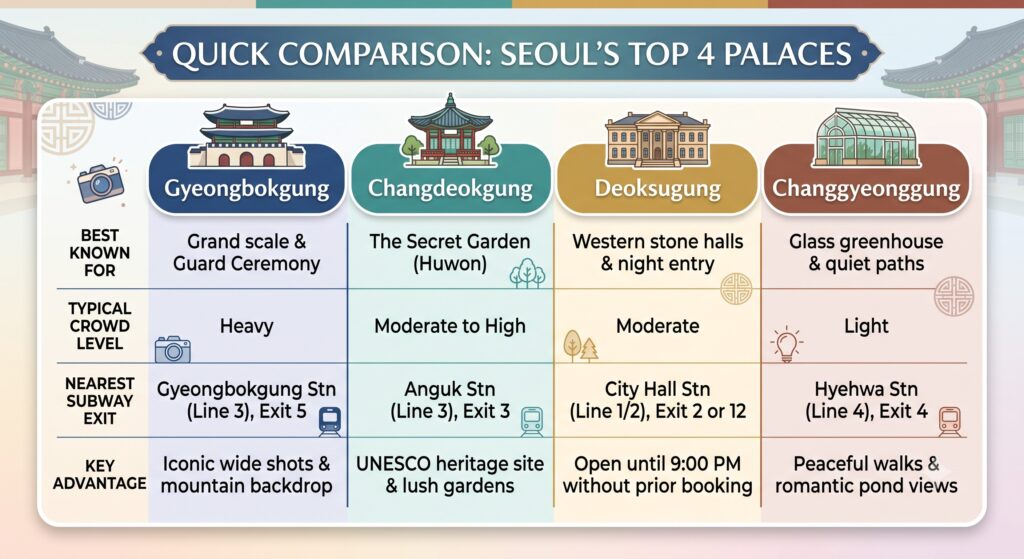
1. Gyeongbokgung: The Undisputed Classic

If you only have time for one single palace, visit Gyeongbokgung. Built in 1395, it was the main royal palace and remains the grandest in footprint.
- Highlights: The Royal Guard Changing Ceremony at Heungnyemun Gate (10:00 AM and 2:00 PM, closed Tuesdays) and the Gyeonghoeru Pavilion, an elevated wooden banquet pavilion set over a scenic rectangular lake.
- Photography Angle: Renting a Hanbok (traditional dress) nearby grants free admission and delivers classic postcard photos framed against Mount Bugaksan.
- The Catch: It draws the heaviest tourist bus traffic in Seoul. Arrive right at 9:00 AM to explore the central courtyards before tour groups arrive.
- Closed Day: Tuesdays
- If you’re curious about the Gyeongbokgung Starlight Tour, Please refer to https://hiddenspotkorea.com/a-magical-night-at-gyeongbokgung-palace-2026-autumn-starlight-tour/
How to Get there by Subway
- Closest Route: Gyeongbokgung Station (Line 3, Orange Line), Exit 5.
- Directions: Follow the underground stone passageway directly out of Exit 5. It leads straight onto the palace grounds right beside the National Palace Museum.
- Scenic Route: Gwanghwamun Station (Line 5, Purple Line), Exit 2.
- Directions: Come up to street level and walk straight through Gwanghwamun Square for about 5 minutes toward the massive Gwanghwamun Gate.
2. Changdeokgung: Best for Nature & Architecture Lovers
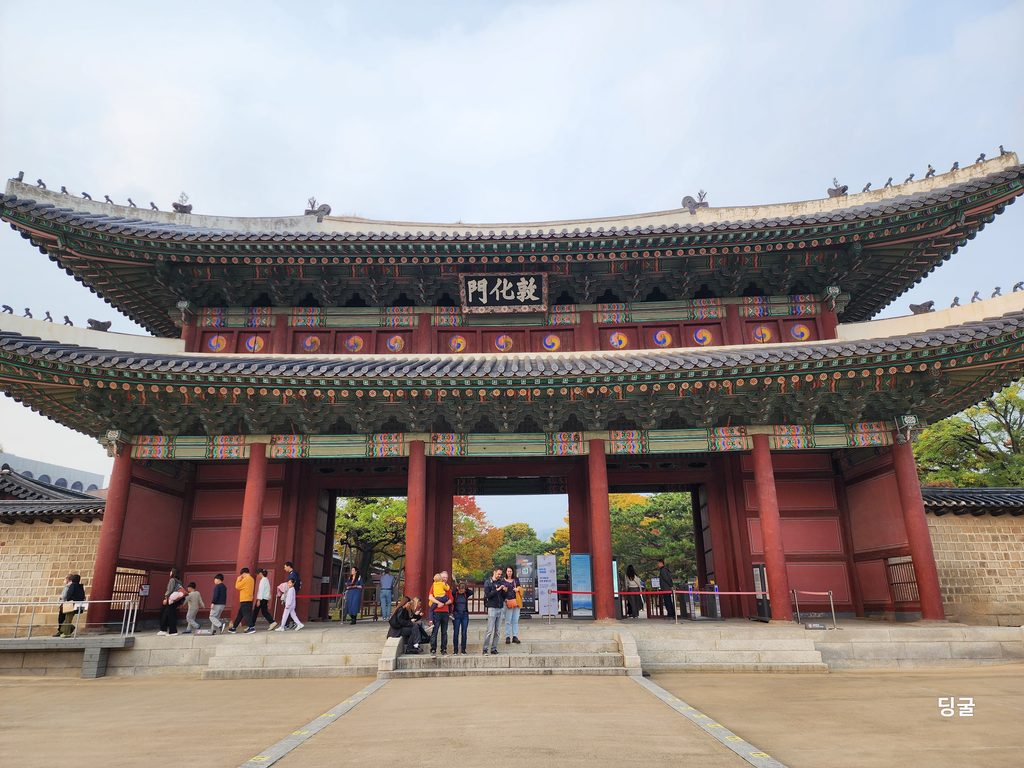
Changdeokgung is the only palace in Seoul designated as an official UNESCO World Heritage site. Unlike Gyeongbokgung’s strict symmetrical layout, Changdeokgung was built to flow organically along the natural contours of the hillside.
- Highlights: The Secret Garden (Huwon), an expansive royal retreat featuring centuries-old trees, tranquil ponds, and secluded pavilions tucked away in the forest.
- Important Booking Note: Entry to the Secret Garden requires a seperate guided tour ticket. Spots are capped daily, so book online several weeks in advance if you plan to visit during cherry blossom season or peak autumn foliage.
- Closed Day: Mondays
How to Get There by Subway
- Closest Route: Anguk Station (Line 3, Orange Line), Exit 3.
- Directions: Walk straight out of Exit 3 along the main road for about 5 minutes (roughly 350 meters). You will see the palace’s grand wooden entrance gate, Donhwamun, straight ahead on your left.
- Alternative Route: Jongno 3(sam)-ga Station (Lines 1, 3, 5), Exit 6.
- Directions: Walk straight north along Donhwamun-ro street for about 10 minutes until you reach the palace gate.
3. Deoksugung: The Best Choice for Evening Strolls
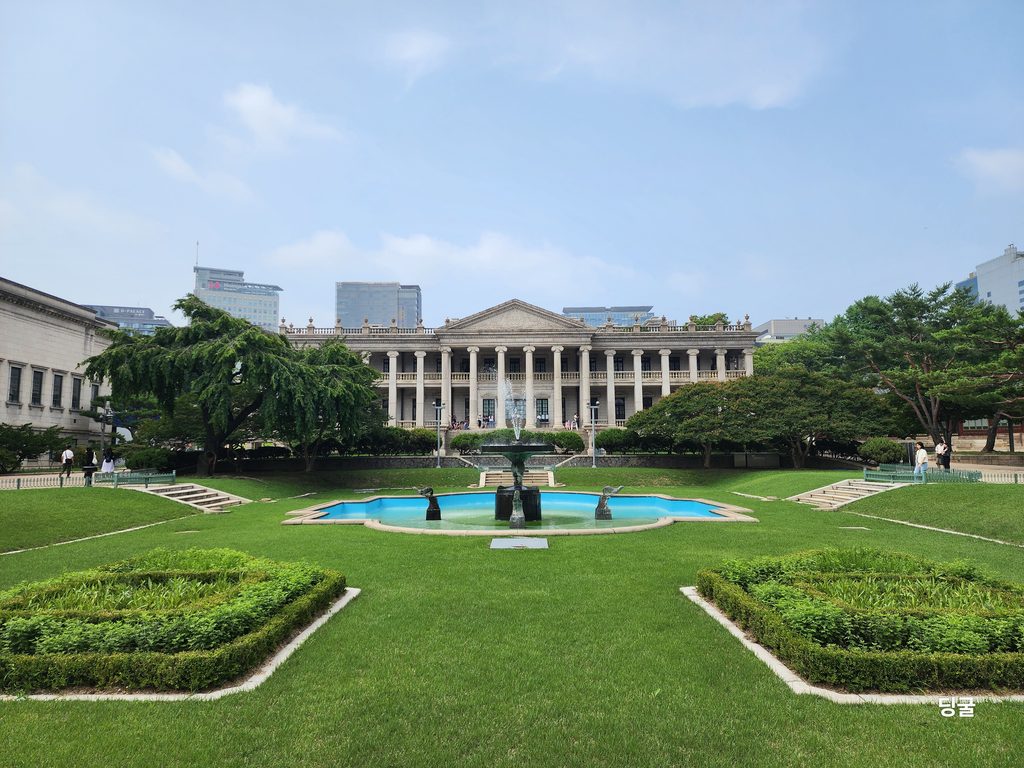
Located right outside Seoul City Hall, Deoksugung is celebrated for its unique clash of traditional Joseon architecture and neoclassical Western building like Seokjojeon.
- Why Visit: It stays open until 9:00 PM daily (last entry at 8:00 PM) without requiring special seasonal night passes. Illuminated wooden eaves against modern high-rises make for atmospheric night strolls.
- Local Favorite: The stone-wall path wrapping along the perimeter, known as Deoksugung Doldam-gil, is one of central Seoul’s prettiest walking streets, lined with cozy coffee shops, street musicians, and towering trees.
- Closed Day: Mondays
How to Get There by Subway
- Line 1 Option: City Hall Station (Line 1, Dark Blue Line), Exit 2.
- Directions: Walk up the stairs, and the palace’s main gate (Daehanmun) will be immediately to your right.
- Line 2 Option: City Hall Station (Line 2, Green Line), Exit 12.
- Directions: Exit 12 has an escalator. Once on street level, walk straight for less than 1 minute to reach the ticket booth.
4. Changgyeonggung: Escape the Crowds
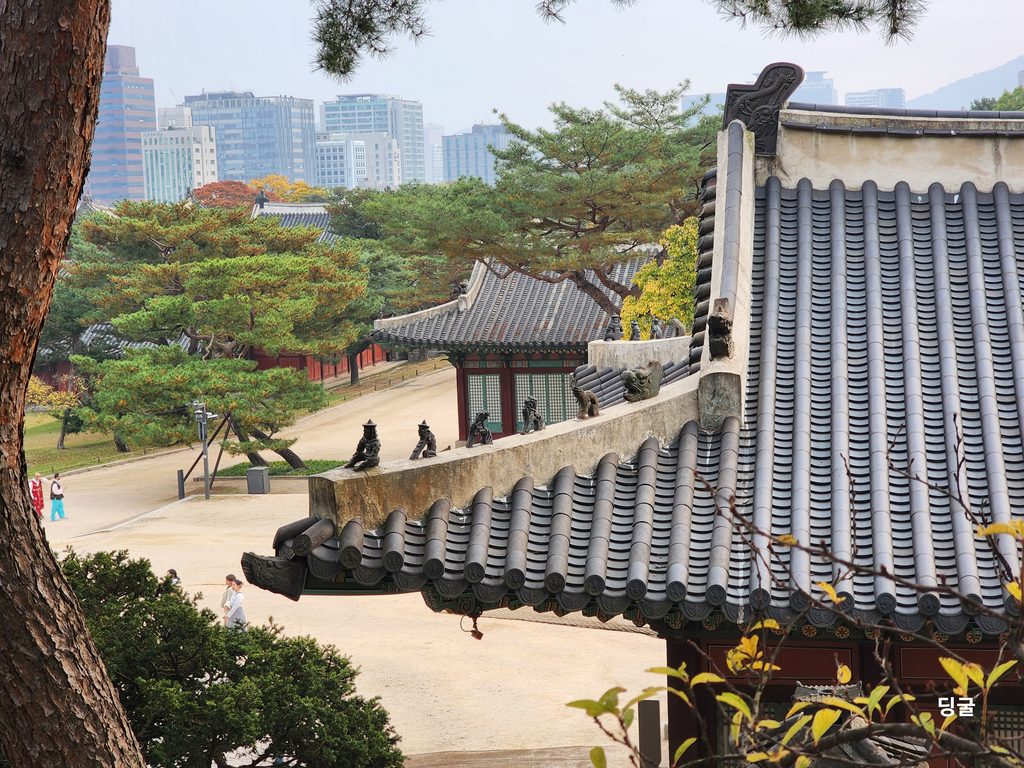
Directly bordering Changdeokgung, changgyeonggung has a quieter, park-like character. Historically used as residential quarters for queens and royal family elders, it offers a peaceful break from busy downtown Seoul.
- Highlights: Daeonsil (The Grand Greenhouse), Korea’s first Western-style glass-and-steel greenhouse constructed in 1909, and the tranquil Chundangji Pond surrounded by weeping willows.
- Best For: Solo travelers and couples looking for unhurried walking trails without guided tour groups.
- Closed Day: Mondays
How to Get There by Subway & Transfer
- Subway Route: Hyehwa Station (Line 4, Light Blue Line), Exit 4.
- Directions: Walk out of Exit 4 and continue straight down Changgyeonggung-ro past Seoul National University Hospital for approximately 10 to 12 minutes. The entrance gate (Honghwamun) will appear on your right.
- Palace Transfer Shortcut (No Subway Needed): If you are already touring Changdeokgung, you do not need to take transit. Look for the internal connecting gate (Hamnyangmun) inside the grounds. You can purchase a KRW 1,000 transfer ticket on the spot and walk right across into Changgyeonggung.
Practical Tips for Visiting Seoul’s Palaces
- Get the Royal Palace Pass: If you plan to visit at least two palaces and the Jongmyo Shrine, pick up the Royal Palace Pass (KRW 10,000) at any on-site ticket booth. It is valid for three months and covers entry to all five palaces (including standard admission to the Secret Garden, though tour times must still be booked)
- The Free Hanbok Rule: Wearing a full traditional Hanbok grants 100% free regular admission at Gyeongbokgung, Changdeokgung, and Deoksugung-no tickets required at the turnstiles.
- Mind the Closing Days: Gyeongbokgung is closed on Tuesdays, while Changdeokgung, Changgyeonggung, and Deoksugung are closed on Mondays. Always check your calender before plotting y