Plan the ultimate Seoraksan Autumn day trip from Seoul starting at Gangnam Express Bus Terminal Covers 6:00 AM buses, peak foliage dates, cable car ticketing hacks, and trail itineraries.
Taking a Seoraksan autumn day trip from Seoul is one of the most breathtaking outdoor adventures you can experience in South Korea. Every October, Seoraksan National Park (설악산 국립공원) transforms into a vivid canvas of fiery red maples, golden ginkgoes, and towering granite spires.
While Seoraksan is located on the northeastern coast in Gangwon Province, visiting on a self-guided day trip is straightforward. If you start early from Seoul Express Bus Terminal in Gangnam, you can arrive before the tour buses, conquer iconic trails or ride the cable car, savor local seafood in Sokcho, and be back in Seoul by bedtime.
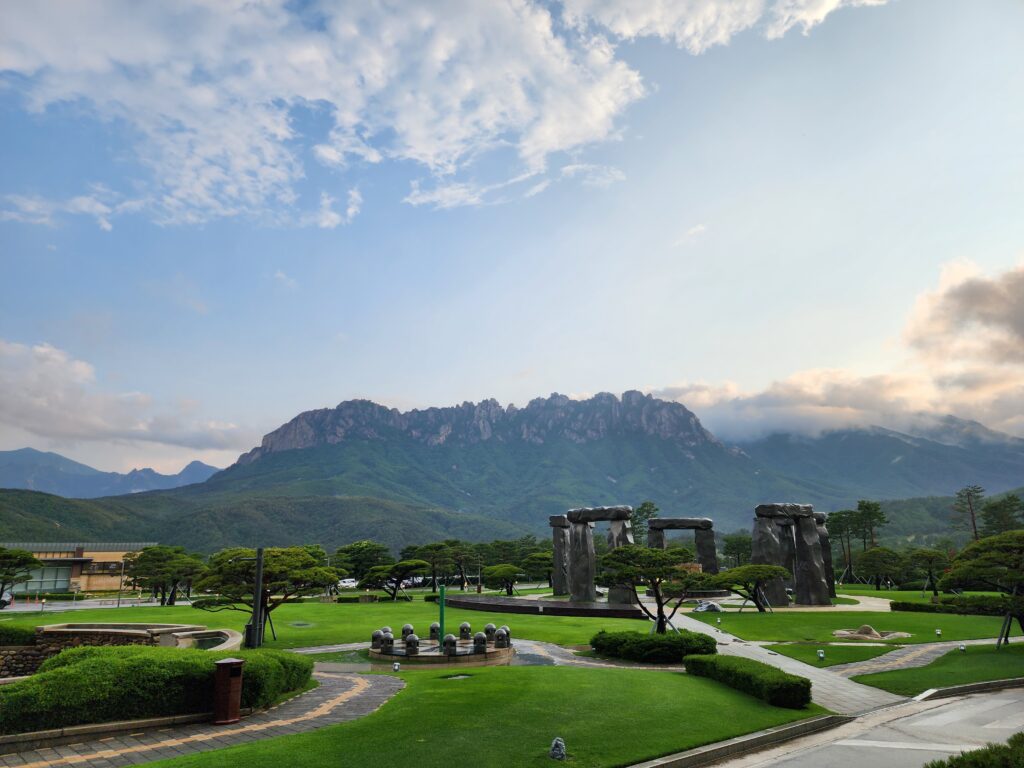
Here is your complete, step-by-step guide to pulling off a seamless autumn day trip.
Seoraksan Fall Foliage Peak Dates
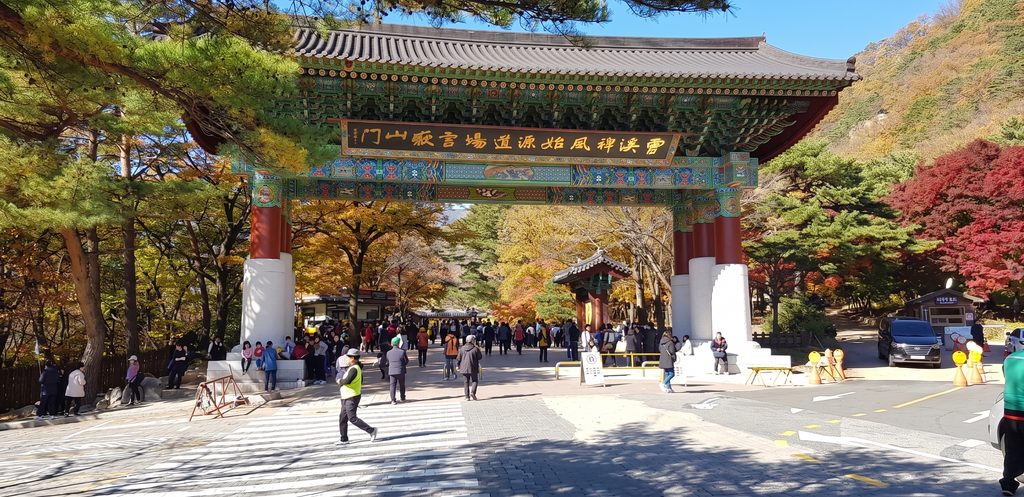
Because of northern latitude and alpine elevation, Seoraksan is the very first mainland destination in Korea where autumn colors appear.
- First Colors: Late September to early October (starting high up on Daecheongbong Peak).
- Peak Foliage Window: Mid-October to late October (the vibrant red and gold canopy blankets the lower valleys and the main Sogongwon entrace).
For day trippers visiting the lower valleys, temples, and rock formations, the sweet spot is typically between October 15 and October 28.
How to Get There: Seoul Express Bus Terminal (Gangnam) to Seoraksan
Most foreign visitors stay in Gangnam, Myeongdong, or along subway Line 3/7/9. Starting from Seoul Express Bus terminal (경부.영동선 / Gyeongbu & Yeongdong Lines) is often far more accessible than heading all the way east across the city.
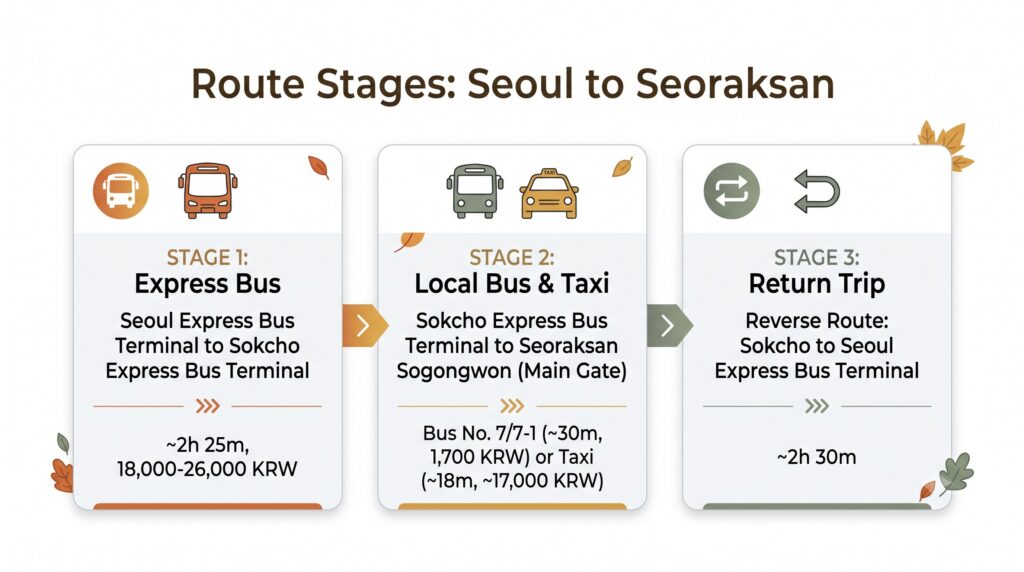
Key Advantage of Leaving from Gangnam:
Buses departing Gangnam arrive at Sokcho Express Bus Terminal (속초고속버스터미널), which is geographically closer to Seoraksan than the intercity terminal.
- Booking Express Bus Tickets: Use the official KOBUS website or the T-money Go mobile app (foreign credit cards are supported on the English web portal). Early morning weekend departures sell out days in advance during October-book your outbound and return tickets at least 5-7 days ahead!
Best Autumn Day Trip Hiking Options (Outer Seoraksan)
All day-trip routes start from Seoraksan Sogongwon (설악산 소공원), right past the main park gate.
- Gwongeumseong Fortress via cable Car (Easiest)
- Time: 1-1.5 hours total / Difficulty: Very Easy
- A glass-walled cable car whisks you 700 meters above the tree line. From the upper station, take an easy 15-minute stone stairway walk to the remnants of Gwongeumseong Fortress, offering sweeping panoramas of colorful crags descending toward the East Sea.
- Seoraksan Cable Car Tickets Autumn Alert: Tickets are sold strictly on-site on a first-come, first-served basis. Online reservations do not exist. On peak autumn weekends, morning time slots can sell out by 9:00 AM. Head directly to the cable car ticket counter the moment you enter the park to secure an early boarding window.

- Biryong Falls & Towangseong Falls Observatory (Moderate)
- Time: 2.5-3 hours round-trip / Difficulty: Moderate
- A picturesque trail following a clear mountain stream flanked by fiery maple trees. You will cross a suspension bridge above roaring water at Yukdam Falls before reaching Biryong Falls. Hikers with extra stamina can tackle the 900 steep wooden stairs leading to the Towangseong Falls Observatory for a postcard-perfect look at an alpine cascade plunging down steep granite cliffs.
- Ulsanbawi Hike in Autumn (Challenging & Rewarding)
- Time: 3.5-4 hours round-trip / Difficulty: Moderate to Strenuous
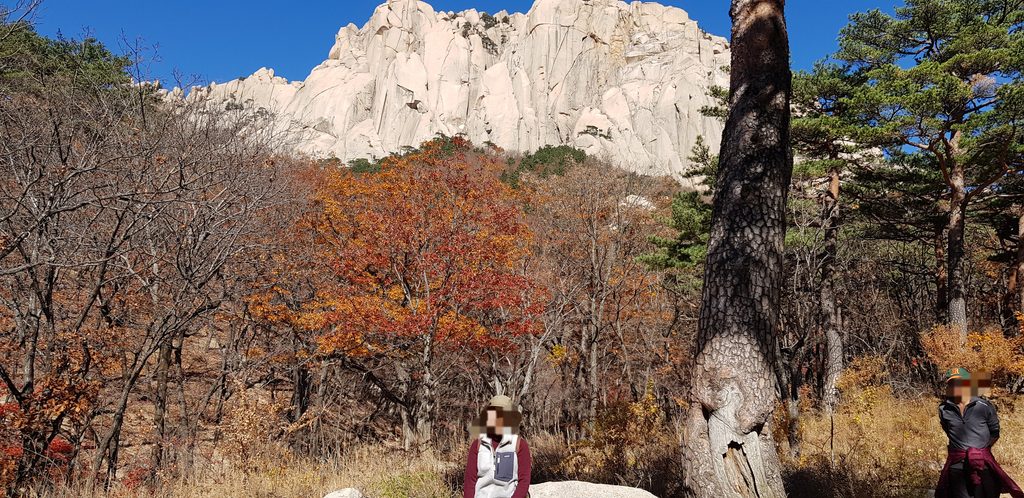
- The crown jewel of Seoraksan day hikes. The first half passes Sinheungsa Temple and the famous Heundeulbawi (rock that balances precariously). The final 30 minutes requires climbing steep steel staircases fastened directly onto the exposed granite face of Ulsanbawi. The summit offers an unobstructed 360-degree vista of crimson valleys and Sokcho’s coastal skyline.
- Note: Pack proper hiking footwear; damp autumn leaves over polished granite rock can be slippery.
The Optimized 1-Day Itinerary (From Seoul Express Bus Terminal)
Follow this exacti timeline to maximize daylight, avoid the heaviest weekend highway traffic, and skip long lines:
- 05:40 AM – Arrive at Seoul Express Bus Terminal (Gangnam): Take Subway Line 3, 7, or 9 to Express Bus Terminal Station. Grab a warm coffee and convenience store breakfast at the terminal.
- 06:00 AM – Board the Early Express Bus to Sokcho: Catching the 6:00 AM (or 06:20 AM) bus ensures you beat the morning Seoul highway bottleneck.
- 08:30 AM – Arrive at Sokcho Express Bus Terminal: Step out of the terminal and cross the pedestrian walkway. Take City Bus No. 7 or 7-1 directly to the final stop (Seoraksan Sogongwon), or grab a taxi (~18 minutes, around 17,000 KRW)
- 09:10 AM – Enter Seoraksan Sogongwon Gate:
- Option A (Scenic & Leisure): Head straight to the cable car booth to secure a 09:40-10:00 AM boarding slot for Gwongeumseong.
- Option B (Active Hikers): Walk past Sinheungsa Temple and the Great Unification Buddha directly onto the Ulsanbawi or Biryong Falls trail.
- 09:30 AM – 01:30 PM – Peak Foliage Exlporation: Complete your morning hike or scenic cable car trip, marveling at the contrast between autumn maple leaves and sheer granite walls.
- 02:00 PM – Head into Sokcho Downtown: Catch Bus No. 7 back toward central Sokcho and get off near Sokcho Jungang Market (속초중앙시장).
- 02:45 PM – Late Lunch & Street Food: Sample warm, crunchy sweet-and-spicy Dakgangjeong (fried chicken bites) or authentic squid abai Sundae (stuffed squid sausage).
- 04:30 PM – Return to Sokcho Express Bus Terminal: Board your pre-booked express bus back to Seoul.
- 07:30 PM – Back in Seoul: Arrive safely at Seoul Express Bus Terminal in time for a relaxing dinner in Gangnam or Myeongdong.
Essential Gear & Practical Travel Tips
- Dress in Breathable Layers: Early morning valley temperatures in late October can drop close to 3-5°C (37-41°F), while sunny afternoons easily reach 17-19°C (63-66°F). Bring a packable fleece or windbreaker over a breathable base layer.
- Footwear Matters: If tackling Ulsanbawi, leave flat-soled sneakers behind. A sturdy pair of hiking shoes or trail runners with sticky rubber tread prevents slips on wet granite stairs.
- Transportation Cards & Cash: While cards are widely accepted across Korea, carry a loaded T-money card for regional city buses and some cash (10,000-20,000 KRW) for small traditional stalls inside the park or at Sokcho Market.
- For more details on T-money, please refer to https://hiddenspotkorea.com/the-ultimate-guide-to-koreas-t-money-card-buying-recharging-and-using-it-like-a-local/
- Book Your Return Bus Early: On sunny October weekends, return express buses back to Seoul can be completely booked out by noon. Always purchase your round-trip bus tickets together before departure!