Planning to visit the National Museum of Korea in Seoul? Here is a complete guide covering free admission, top masterworks, night openings, and how to get there via Ichon Station.
If you are building your Seoul itinerary, you might wonder whether a massive national institution is worth your limited travel time. The short answer: absolutely, yes.
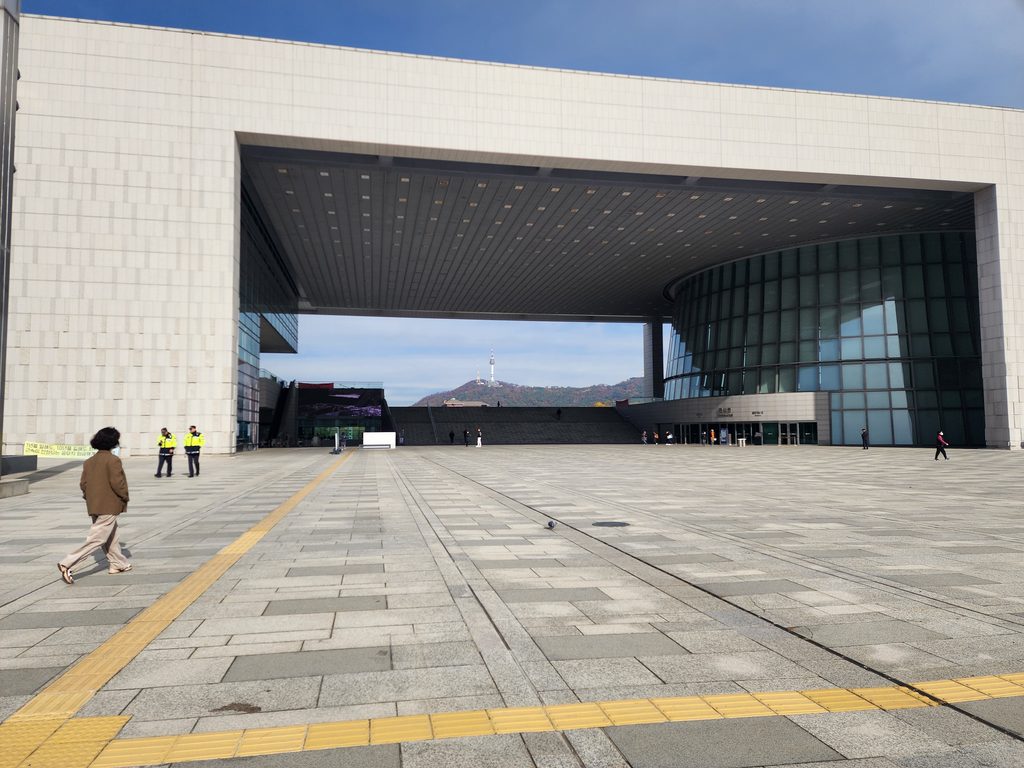
The National Museum of Korea (국립중앙박물관) is one of the largest and most visited museums in the world, housing over 400,000 artifacts that span millennia of Korean art, history, and craftsmanship. Even better for budget travelers, entry to the main permanent galleries is completely free.
Here is a practical, fluff-free guide to making the most of your visit, including the top masterworks you cannot miss and local tips to avoid the crowds.
Quick Visitor Information & Hours
- Admission: Free for Permanent Exhibition Galleries (Special temporary exhibitions require a separate ticket).
- Regular Hours:
- Monday, Tuesday, Thursday, Friday, Sunday: 09:30 AM – 5:30 PM (Last admission 5:00 PM)
- Night Openings (Wednesday & Saturday): 9:30 AM – 9:00 PM (Last admission 8:30 PM)
- Closed Days: January 1, Lunar New Year’s Day, and Chuseok (Korean Thanksgiving). Permanent galleries also close on the first monday of March, June, September, and December.
- Time Needed: 2 to 3 hours for a highlights tour, or half a day for history enthusiasts.
Local Pro-Tip: Visit on Wednesday or Saturday evening. The museum extends its hours until 9:00 PM, crowd levels drop dramatically, and the outdoor mirror pond looks stunning illuminated at dusk.
4 Masterpieces You Must Not Miss
Because the museum covers three sprawling floors across 45,000 square meters, attempting to see every artifact will lead straight to museum fatigue. Prioritize these four essential treasures:
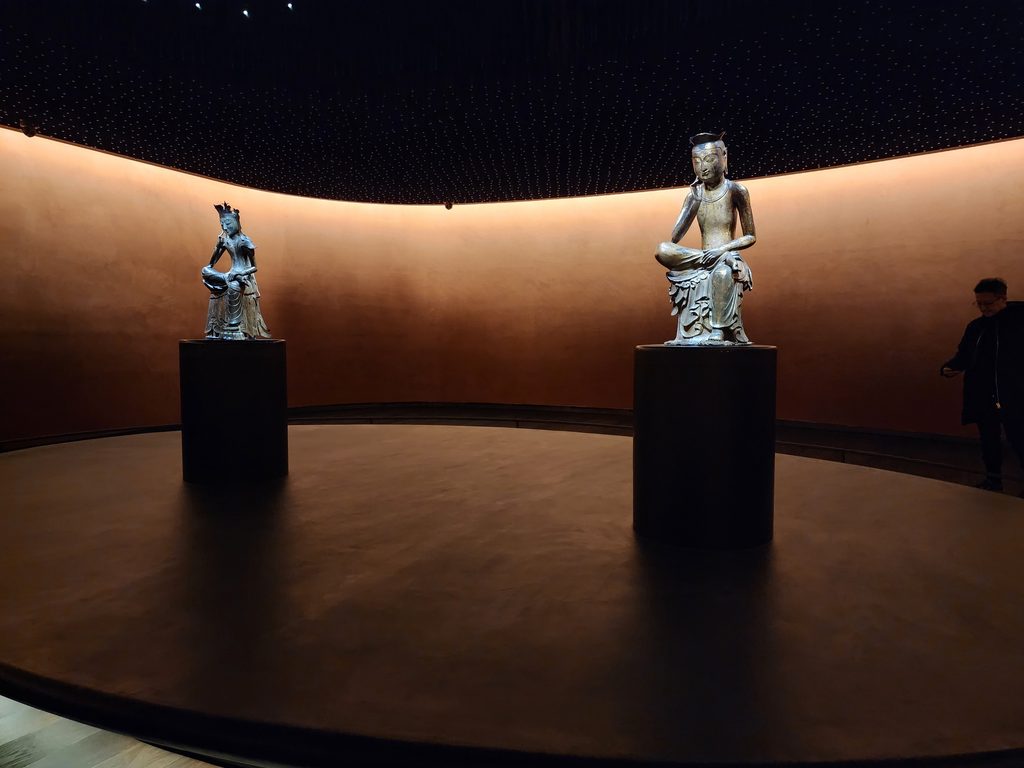
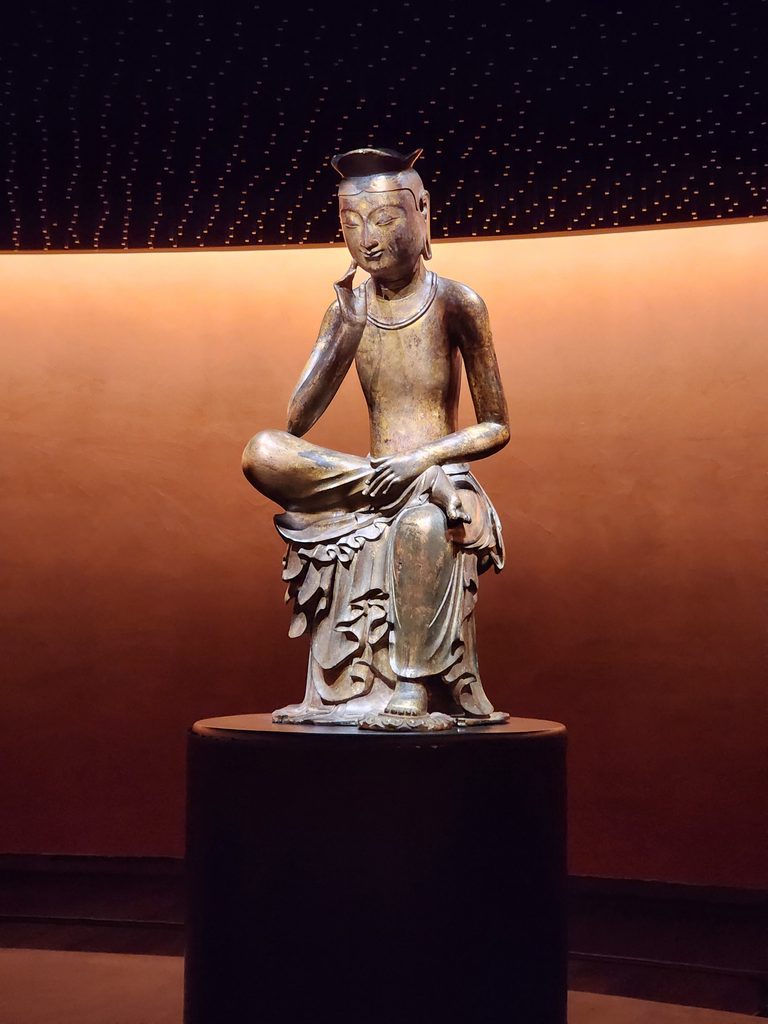
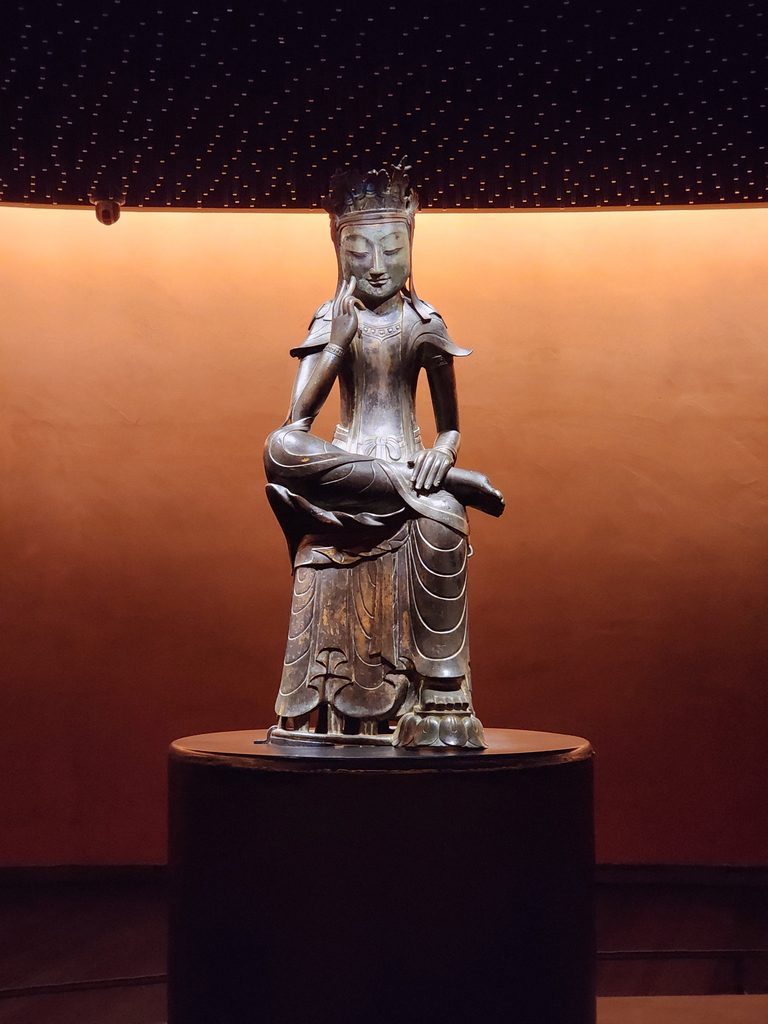
1. Room of Quiet Contemplation (사유의 방)
- Location: 2nd Floor
- The Highlight: Two gilt-bronze Pensive Bodhisattva statues (National Treasures) dating back to the late 6th and early 7th centuries.
- The Vibe: Unlike standard gallery rooms lined with cluttered display cases, this space is an architectural sanctuary designed with dim lighting, gentle earthen aromas, and a quiet gradient floor. Visitors sit in total silence observing the subtle, enigmatic smiles of the statues. It is widely considered one of the most serene cultural spaces in Seoul.
2. Ten-Story Stone Pagoda of Gyeongcheonsa Temple
- Location: 1st Floor Central Concourse (Path to History)
- The Highlight: A magnificent 13.5-meter marble pagoda built in 1348 during the Goryeo Dynasty. The intricate reliefs on all four sides depict stories from Buddhist sutras, dragons, and lions. Standing in the naturally lit atrium, it serves as the architectural focal point connecting the ground floor wings.
3. Silla Gold Crown
- Location: 1st Floor (Prehistory & Ancient History Hall)
- The Highlight: Silla was famously known as the “Kingdom of Gold.” This intricate 5th-century crown features tree-branch and antler motifs adorned with dozens of dangling comma-shaped jade beads (gogok) and spangles of hammered gold.
4. Goryeo Celadon Ceramics
- Location: 3rd Floor (Sculpture & Crafts Hall)
- The Highlight: Korea’s Goryeo dynasty (918-1392) produced some of the finest jade-green celadon in world history, prized for its signature “bi-saek” (kingfisher-green) glaze and inlay techniques (sanggam). Pay special attention to the openwork incense burners and wine ewers shaped like melon gourds.
Practical Tips Before You Go
- Luggage Storage: Free automated lockers are located right next to the main entrance lobby. If you are arriving directly with luggage or heavy winter coats, store them before entering.
- Souvenir Shop (The BTS Connection): The museum gift shop is famous for aesthetic, high-design goods rather than cheap trinkets. In particular, the miniature pastel replicas of the Pensive Bodhisattva became an international sensation after BTS leader RM displayed one on his studio desk.
- Free English Audio & Tours: English signage is comprehensive throughout all main galleries. Free volunteer-guided English tours generally run twice daily (check the information desk in the 1st floor lobby for updated schedules)
How to Get There
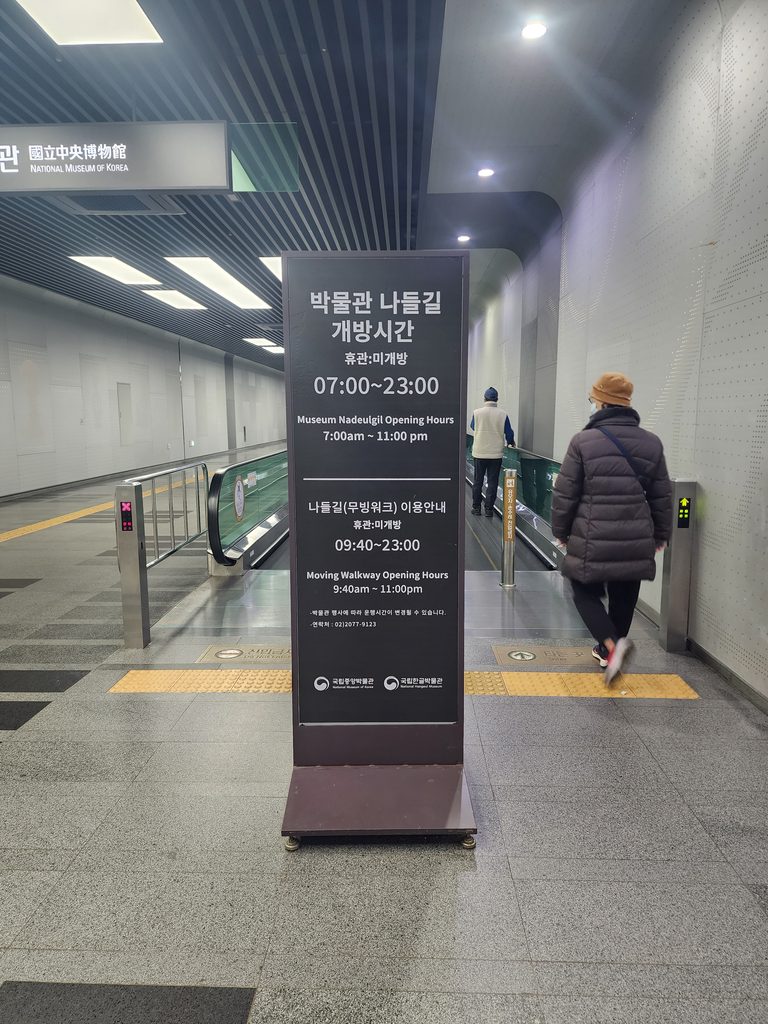
The museum is located in Yongsan-gu, central Seoul, and connects directly to the metro system.
- Subway: Take Line 4 (Light Blue) or the Gyeongui-Jungang Line to Ichon Station (이촌역).
- Direct Path: Head toward Exit 2. You do not even need to walk outdoors in the heat or rain; the underground Moving Walkway (박물관 나들길) leads straight into the museum plaza.
- Address: 137 Seobinggo-ro, Yongsan-gu, Seoul (서울특별시 용산구 서빙고로 137)
What to Do Next Nearby
After your museum tour, do not leave Yongsan immediately:
- Yongsan Family Park: Step right out behind the museum into a peaceful lakeside park full of walking trails and open lawns.
- Yongridan-gil (용리단길): Walk or hop one subway stop to Sinyongsan Station (Line 4) to explore one of Seoul’s trendiest dining and cafe streets, filled with specialty bakeries, wine bars, and fusion restaurants.
For more Information about the National Museum of Korea, Please refer to https://www.museum.go.kr
For more Information about the Seoul Subway System, Please refer to https://hiddenspotkorea.com/the-ultimate-guide-to-the-seoul-subway-system/